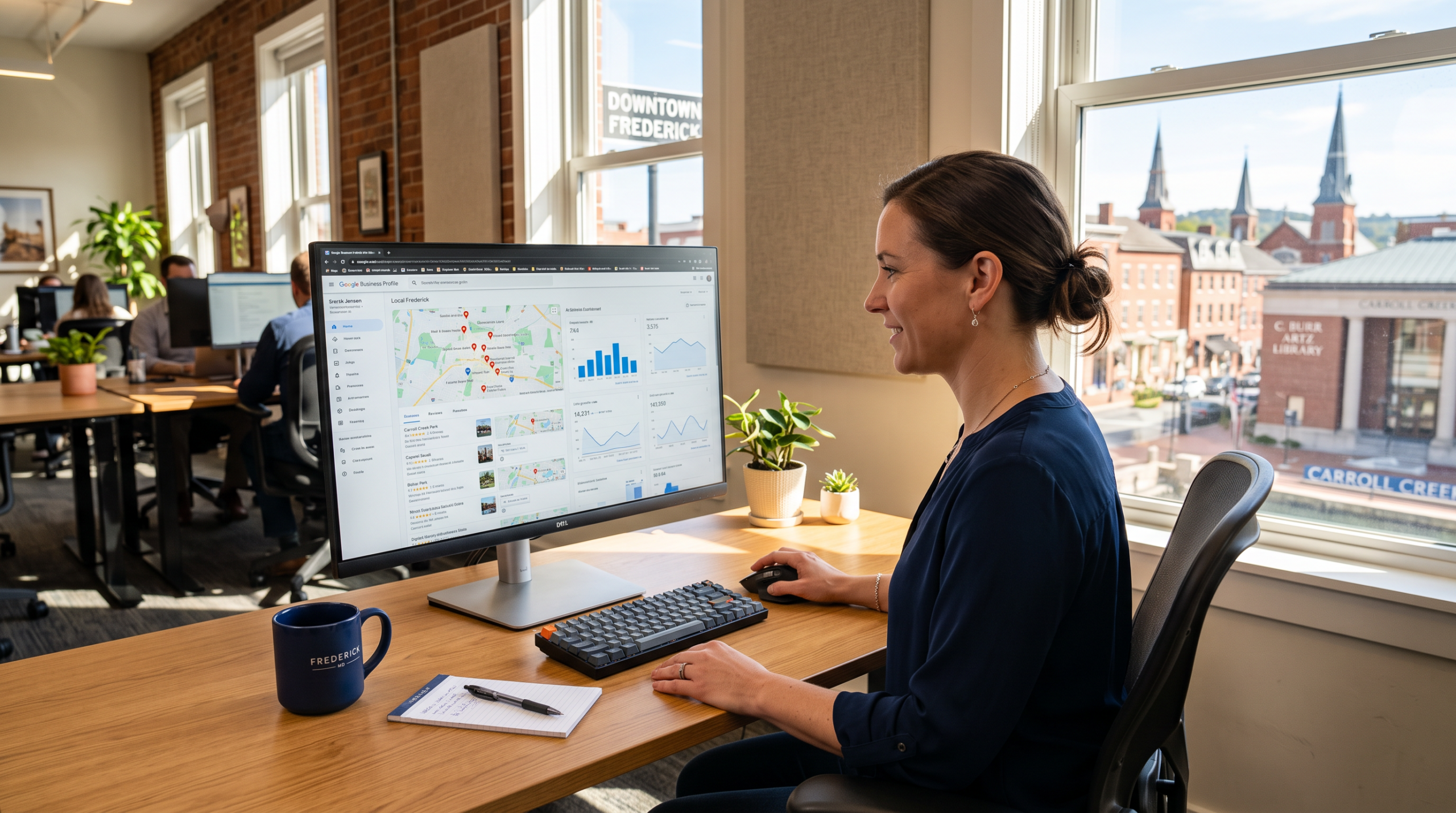
Why Is Adding Extra Geo Important for Your Business?
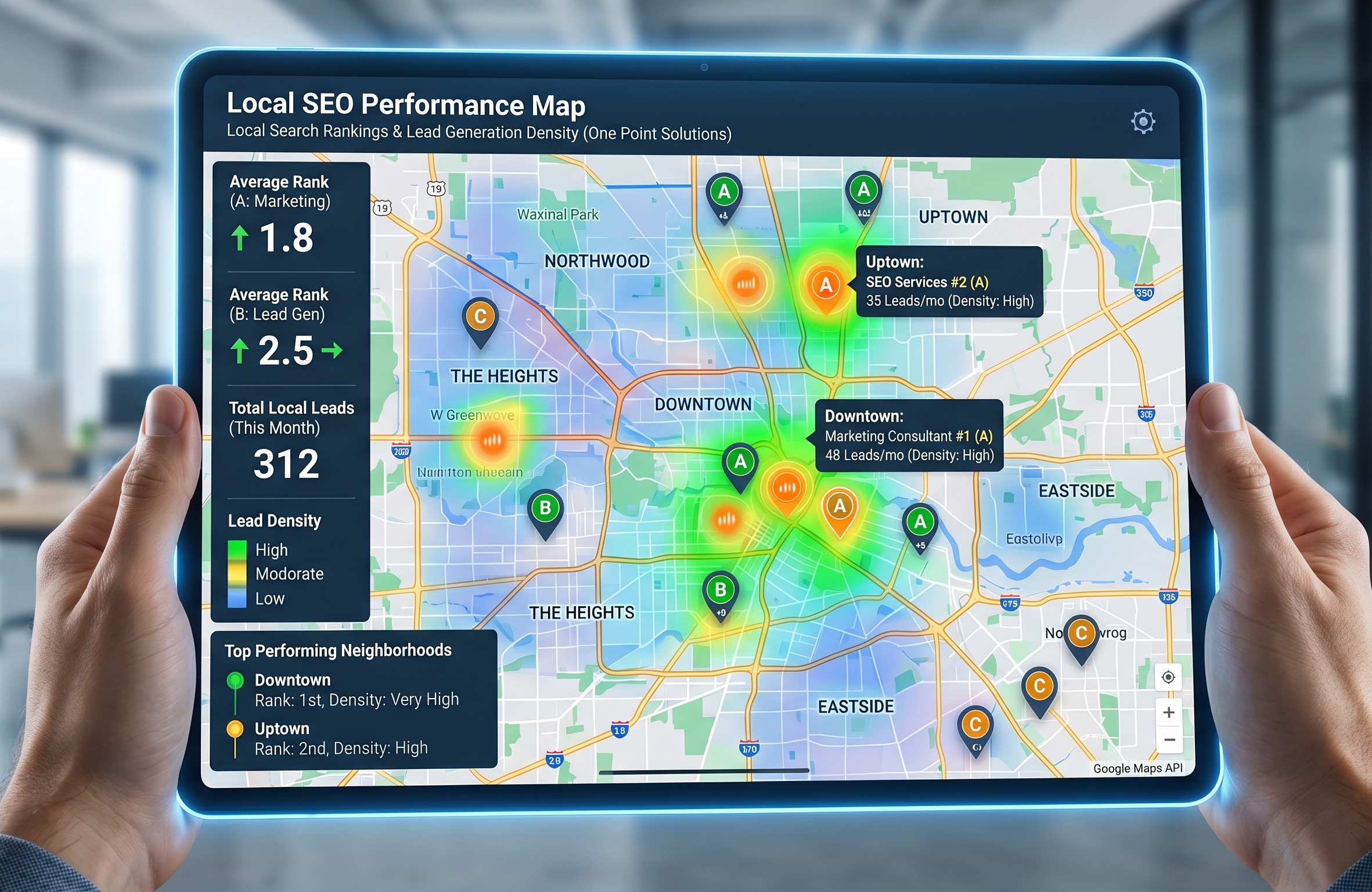
Adding geographic data to your content, known as Geo, is important because it signals to search engines and AI models exactly where your services are relevant. It allows businesses to capture near me intent and appear in Google’s AI Overviews, which prioritize local proximity to give users the most helpful, immediate answers.
If you run a business, you’ve probably heard that content is king. But in 2026, local content is the kingdom. When a potential client asks on their phone, Who is the best B2B marketing consultant near me? Google doesn’t just look for the best consultant in the world; it looks for the most authoritative one within a 10-mile radius. By adding specific geographic markers, like city names, neighborhoods, and local landmarks, to your website, you stop competing with the entire world and start dominating your own backyard.
The Shift from SEO to GEO (Generative Engine Optimization)
GEO is the practice of optimizing content so that AI-powered search tools, like ChatGPT and Google AI Overviews, cite your business as a local authority. Unlike traditional SEO, which focuses on ranking in a list of links, GEO focuses on being the “Source of Truth” that the AI summarizes for the user.
The old way of doing things involved stuffing City Name + Service into a footer and hoping for the best. Today, AI models are much smarter. They look for geographic signals that prove you actually exist and operate in an area. When we add “Extra Geo” to your blogs and service pages, we aren’t just adding keywords; we are building a digital map that AI can read.
How AI reads your location
AI doesn’t just look for a zip code. It looks for context. If your blog mentions that you serve clients near the Historic Downtown District or that your office is a five-minute drive from the local stadium, you are providing semantic clues. These clues help AI engines link your business to a physical entity in the Google Knowledge Graph, making you much more likely to be the top recommended business in a conversational search.
Why Neighborhood-Level Targeting is the New Standard
Neighborhood-level targeting involves creating content for specific districts or suburbs rather than just the main city. This hyper-local approach reduces competition and makes your business the big fish in a smaller, more profitable pond.
If you are a business in a major metro area like Dallas or Atlanta, trying to rank for the whole city is expensive and difficult. But ranking for Digital Marketing in Buckhead or Lead Generation in Deep Ellum is much easier. By adding these specific neighborhood “Geo” tags, you are appearing in front of customers exactly where they live.
Avoiding the Content Clone Pitfall
A common mistake businesses make is creating the same page for five different cities and just swapping the name. In 2026, AI sees this as spammy or low-value. To win, you need to provide unique local value for each area.
- Mention local events: We recently attended the [City] Business Expo.
- Reference local challenges: Businesses in [Neighborhood] are currently dealing with [Local Issue].
- Use local landmarks: Located just across from the [Main Park].
The Insider Secret: Geo-Signals in Reviews
Reviews that mention a specific location act as a powerful Third-Party Geo-Signal. When a customer says, One Point Business Solutions helped my shop in [Suburban Area], Google extracts that location data to verify your service area independently.
You can write about your location all day, but when a customer confirms it, that’s when your rankings skyrocket. This is why we always recommend a review strategy that encourages customers to mention their city. It’s a form of passive geo-tagging that you don’t even have to write yourself.
How to get Geo-Rich reviews:
- Ask specifically: Instead of Leave us a review, try Tell us how we helped your [City Name] business.
- Reply with Geo: When you respond to a review, say, It was a pleasure working with your team in [City/Neighborhood]!
- Check-ins: Use tools that allow your team to check in at a job site. This creates a GPS-verified record of your work in that area.
Why Extra Geo is the Secret Weapon for Near Me Searches
Near me searches have increased by over 500% in the last few years, and they are now the primary way people find services. Adding Geo-markers ensures that your business appears in the Local Map Pack, which is the most valuable real estate on the search results page.
When someone searches for a business consultant near me, Google uses their GPS coordinates to find the nearest relevant business. However, if your website doesn’t explicitly mention the neighborhoods surrounding your office, Google might not realize you serve those areas. By adding “Extra Geo,” you are virtually expanding your office’s reach, allowing you to show up for users who are miles away but still within your service territory.
The Role of Geo-Tagged Media in 2026
Geo-tagging your images and videos provides hidden metadata that search engines use to verify your physical presence. An image of your team in front of a local landmark with the Alt Text [Business Name] at [Local Park] in [City] provides a powerful localized signal.
In 2026, the “Images” and “Video” tabs in search results are more localized than ever. If you upload a video of a client testimonial and tag it with the location, that video can appear for people searching for your services in that specific town. This is a form of “Visual Geo” that most businesses completely ignore, giving you a massive advantage if you implement it now.
Technical Tip: The Alt Text Strategy
Don’t just name your images “service-photo.jpg.” Use a localized naming convention:
- Bad: marketing-meeting.jpg
- Good: b2b-marketing-strategy-session-downtown-chicago.jpg The “Good” version gives the search engine two pieces of data: what you do and where you do it.

Common Pitfalls: Why City Stuffing Will Get You Penalized
City stuffing is the outdated practice of listing dozens of cities in a footer or a single paragraph without any context. Modern AI search engines recognize this as low-quality spam and will lower your rankings for attempting to manipulate the system.
The key to Extra Geo is integration. The city name must feel like a natural part of the sentence. If a human reader finds the text annoying because of how many times the city is mentioned, the search engine will too.
How to avoid the Spam filter:
- Limit Frequency: Only mention the specific city or neighborhood 3–4 times per 1,000 words in the body text.
- Use Natural Phrasing: Instead of Best lawyer Dallas, use As a law firm based in the heart of Dallas.
- Vary the Geo-Markers: Use the city name, then the zip code, then a neighborhood name, then a local landmark. This shows a depth of local knowledge.
How One Point Business Solutions Maximizes Your Geo-Authority
One Point Business Solutions creates a customized Geo-Map for your business, ensuring that every piece of content reinforces your local authority. We help you identify the most profitable neighborhoods and build the Source of Truth content that AI engines crave.
We don’t just add a city name to your website and call it a day. We look at the data. We identify where your highest-paying clients live and work, and we build a content fortress around those areas. Our goal is to make sure that when someone in your target area has a problem, your business is the only logical answer.
Our 3-Step Geo-Expansion Process
- Market Mapping: We identify 5–10 hyper-local micro-markets where your competition is weak.
- Content Anchoring: We write deep-dive blog posts and service pages that anchor your brand to those specific locations.
- Review Reinforcement: We help you implement a system to get customers to mention their location in their reviews, providing the ultimate third-party verification.
Frequently Asked Questions
Does Extra Geo work for remote businesses?
Yes! Even if you don’t have a physical storefront, you serve a specific region. By highlighting the cities you cover, you can still dominate the “Service Area” searches. You just need to be more diligent about mentioning the local results you’ve achieved for clients in those areas.
How long does it take to see results from a Geo-strategy?
Local rankings often move faster than national rankings. Because you are competing against fewer people in a specific neighborhood than in the whole country, you can often see a significant jump in “Local Pack” rankings within 30 to 60 days of implementing a deep Geo-strategy.
Can I target too many cities?
If you try to target the entire country city-by-city, your site will look like a directory rather than a professional service. Focus on a 25–50 mile radius of your core operations first. Once you dominate your home base, you can expand your “rings” of influence outward.
Ready to put your business on the digital map? One Point Business Solutions helps you navigate the complex world of local visibility. If your business feels invisible in your own city, we have the Geo-strategies to build your authority and drive real results. Get your Geo-Strategy today: Explore our solutions in the store